Tarot
Seventy-eight images that describe situations, not outcomes. We use the original 1909 Waite-Smith illustrations, because they are the ones nearly every modern meaning was written against.
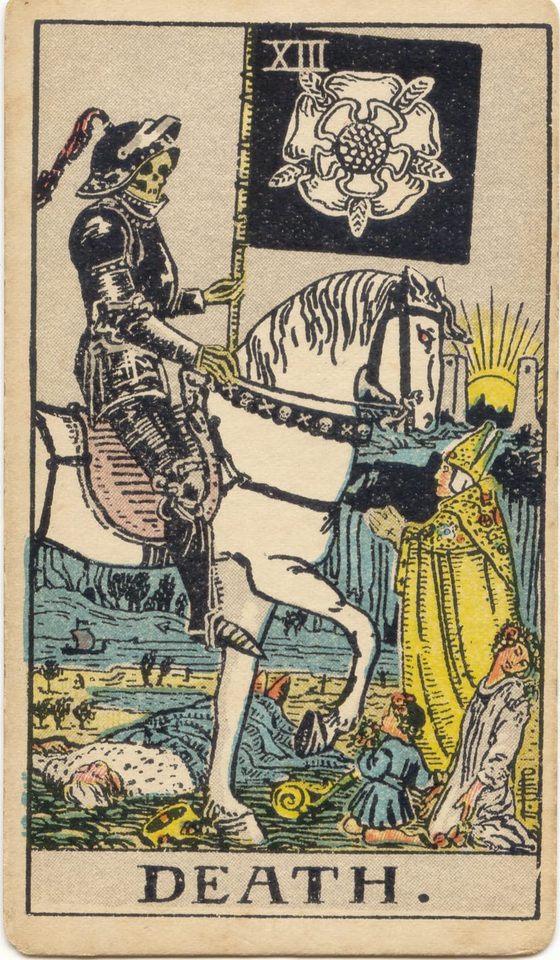
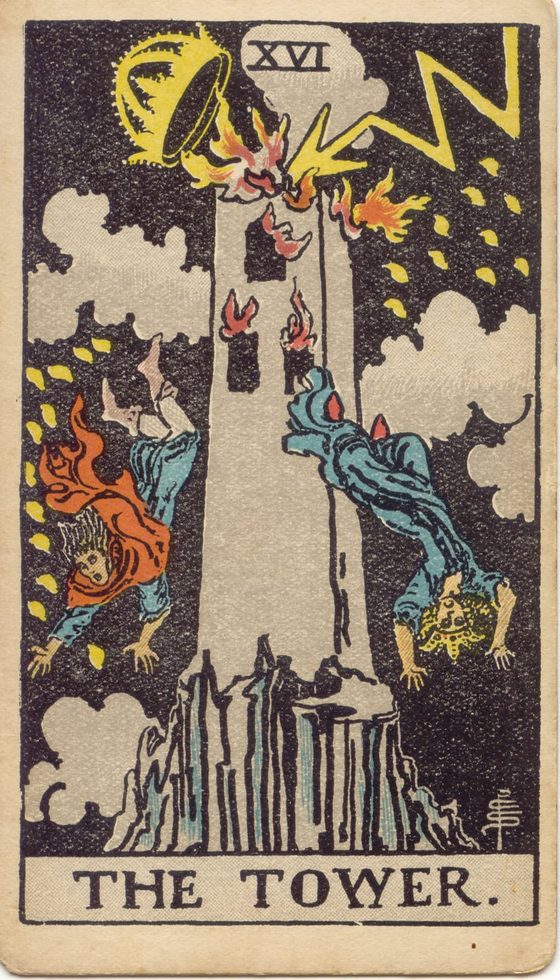
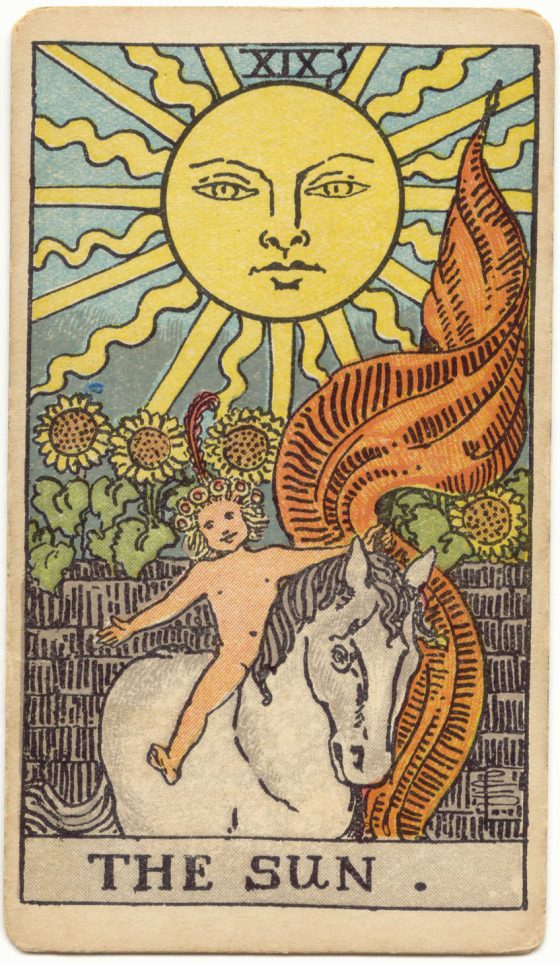
Five Western systems read through one shared language: the four elements. Every calculation here runs in your browser, and the birth data and questions you type never leave the page.
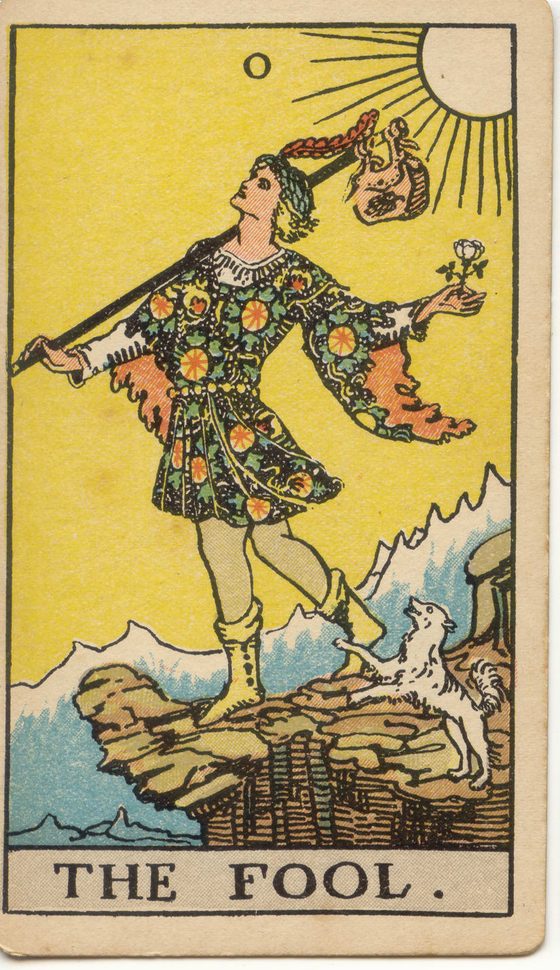
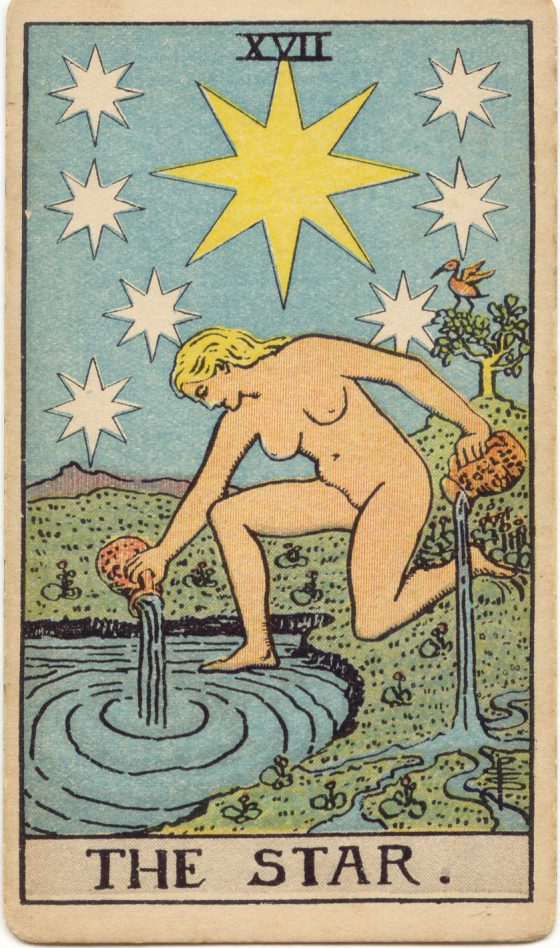
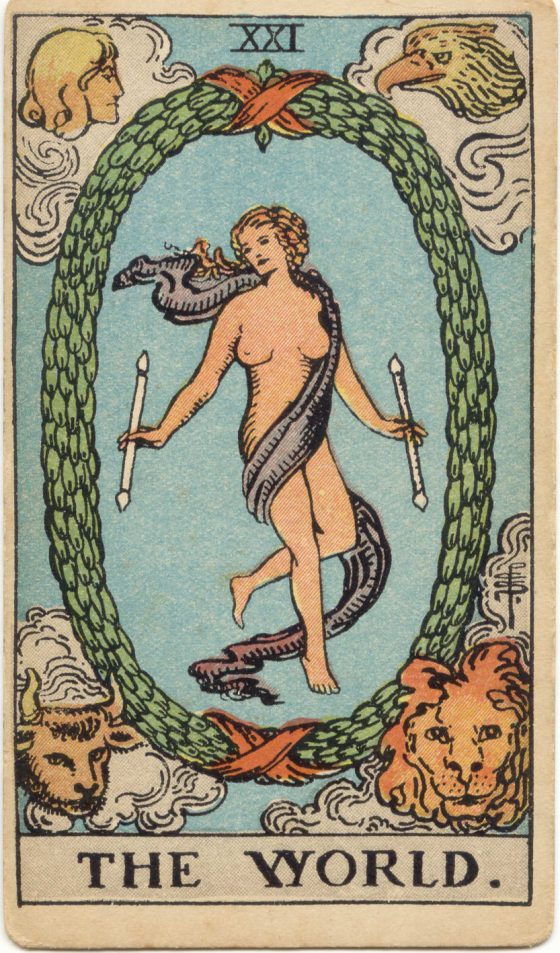
The original 1909 Waite-Smith illustrations
The four suits are the four elements, and the twelve signs sort the same way. That correspondence is why a red heading on a tarot page and a red segment on a chart wheel are telling you the same thing. Nothing here is coloured for decoration.
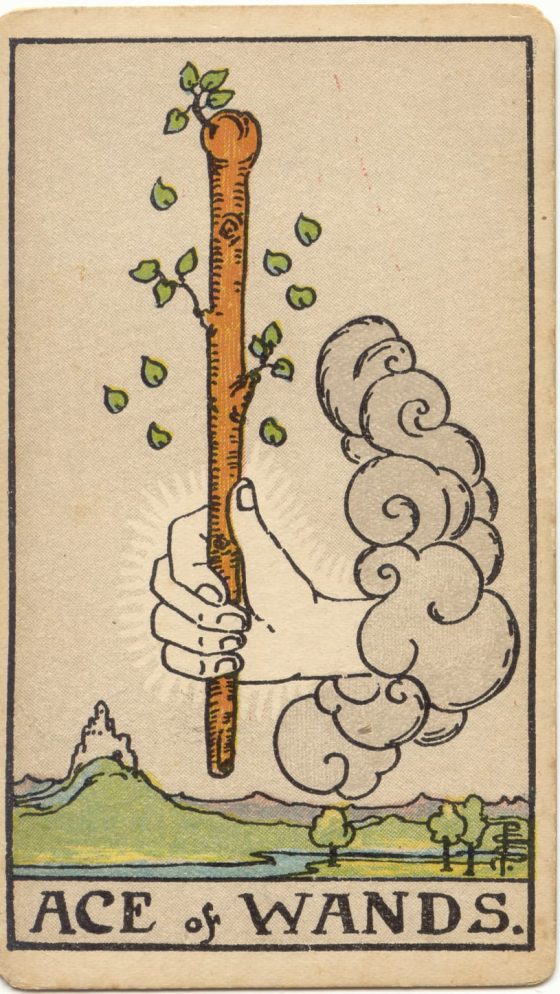
What starts things. Impulse before deliberation, useful when a situation needs movement and costly when it needs patience.
Aries, Leo, Sagittarius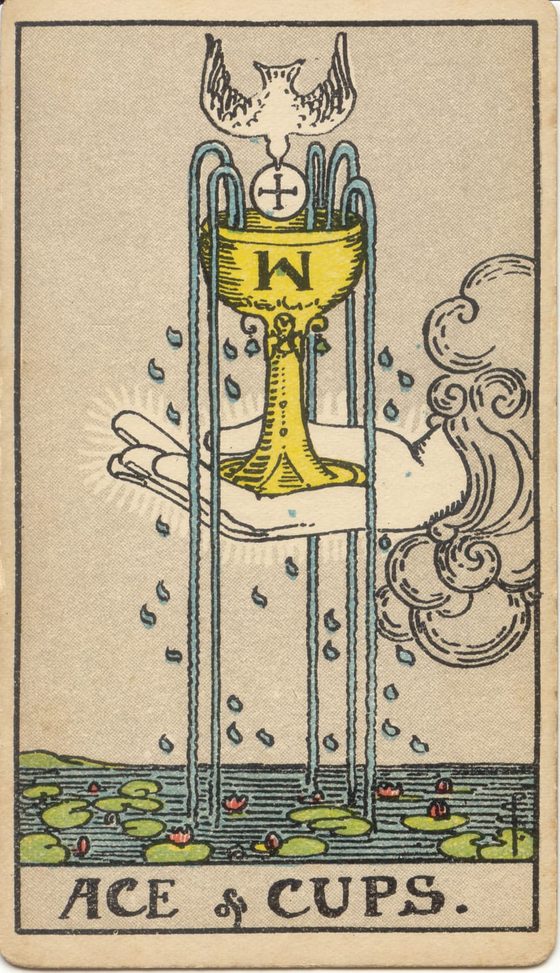
What attaches. The suit that reads relationship and memory, and the one most likely to tell you something you already knew.
Cancer, Scorpio, Pisces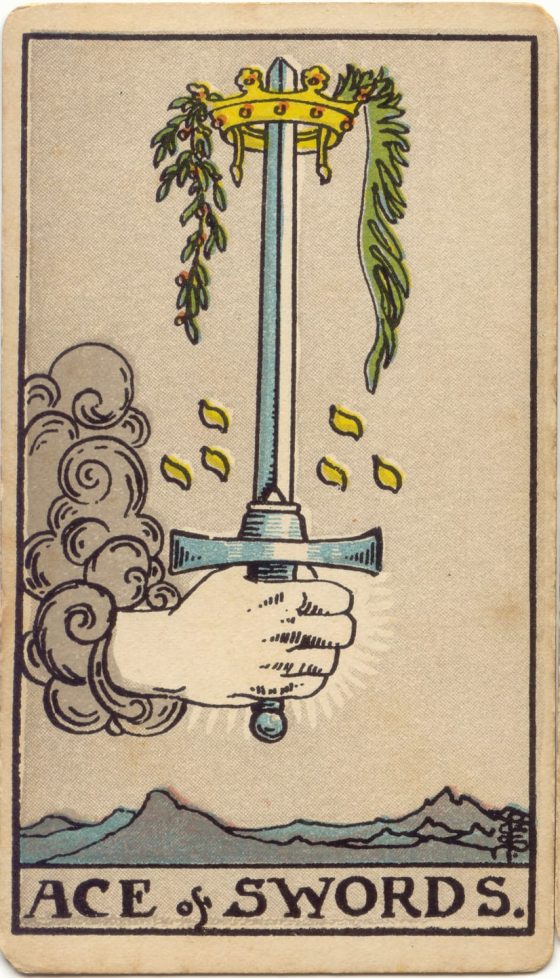
What separates. Swords is the suit people misread as unlucky. It is the suit of naming a thing precisely, which usually hurts.
Gemini, Libra, Aquarius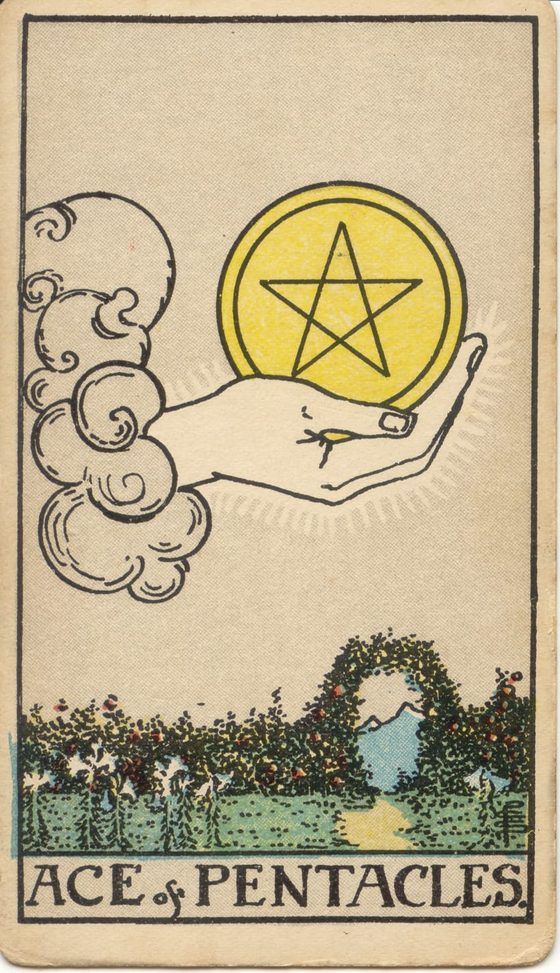
What lasts. Money, body, craft, the slow accumulating things, and the element least interested in how you feel about it.
Taurus, Virgo, CapricornThese are the Golden Dawn attributions, standard in English-language tarot since the 1890s. Other schools swap two of them, and neither arrangement is a mistake.
Each one gets the traditional meaning, the reversal, how it reads in love and work, and the misreading it most often attracts.
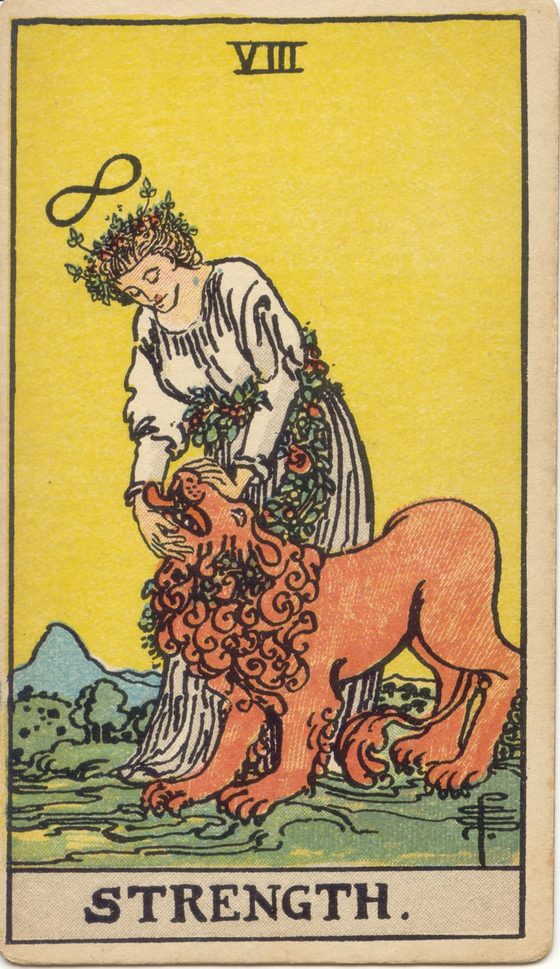
patience · composure · courage · self-command · gentleness
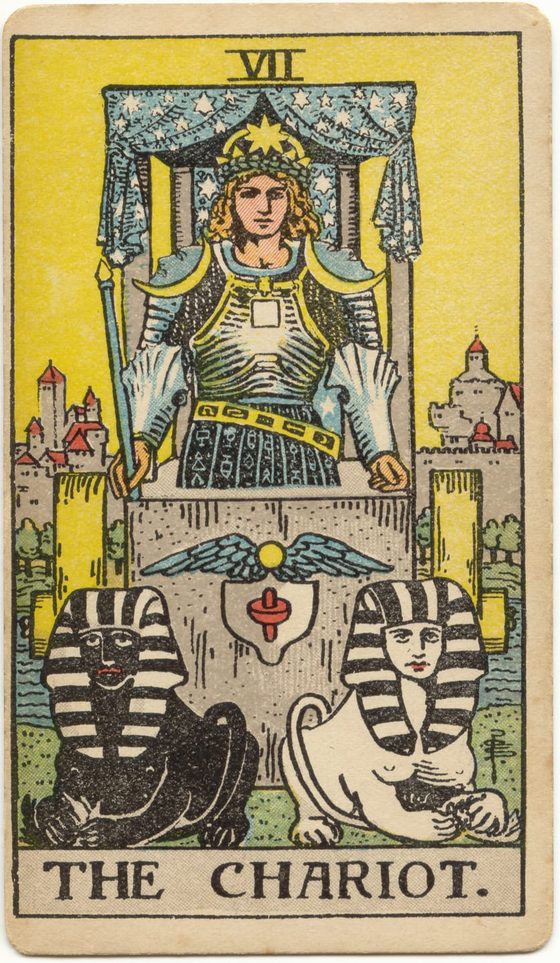
willpower · direction · momentum · discipline · focus
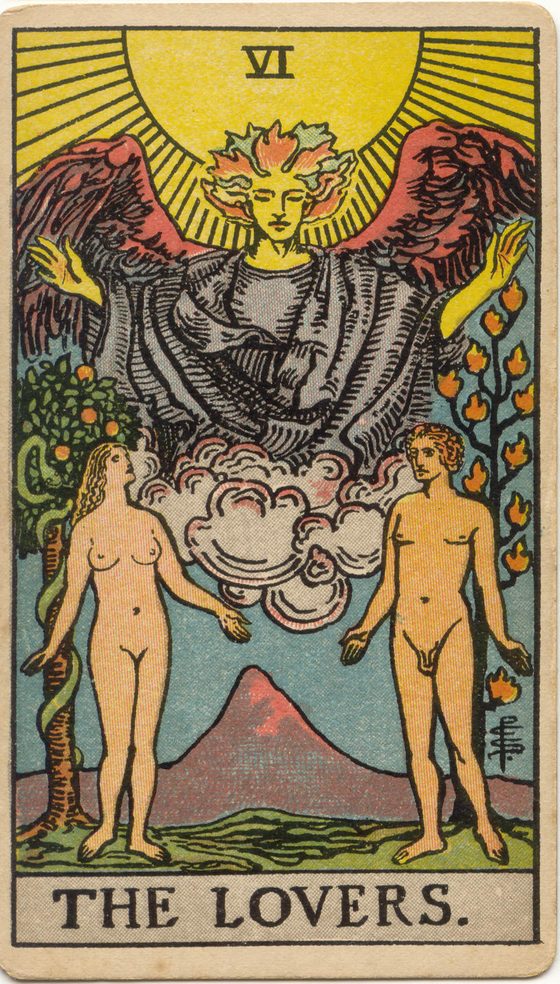
choice · union · values · alignment · openness
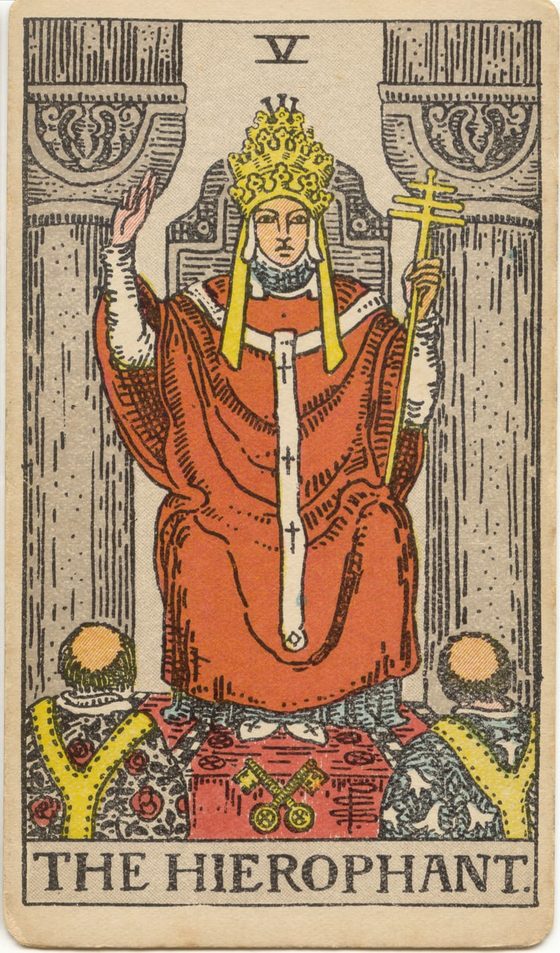
tradition · institution · teaching · conformity · ritual
sudden change · collapse · disruption · revelation · upheaval
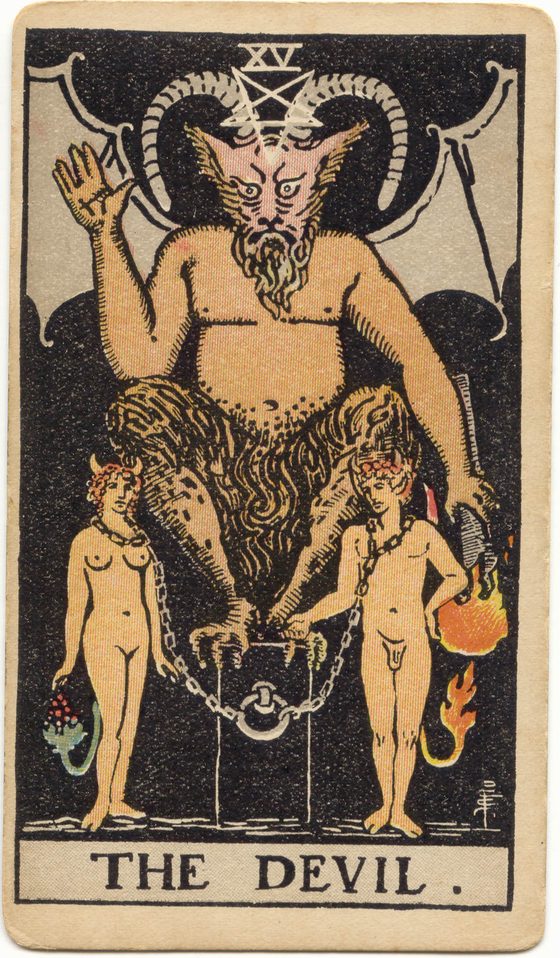
attachment · compulsion · dependency · bargain · materialism
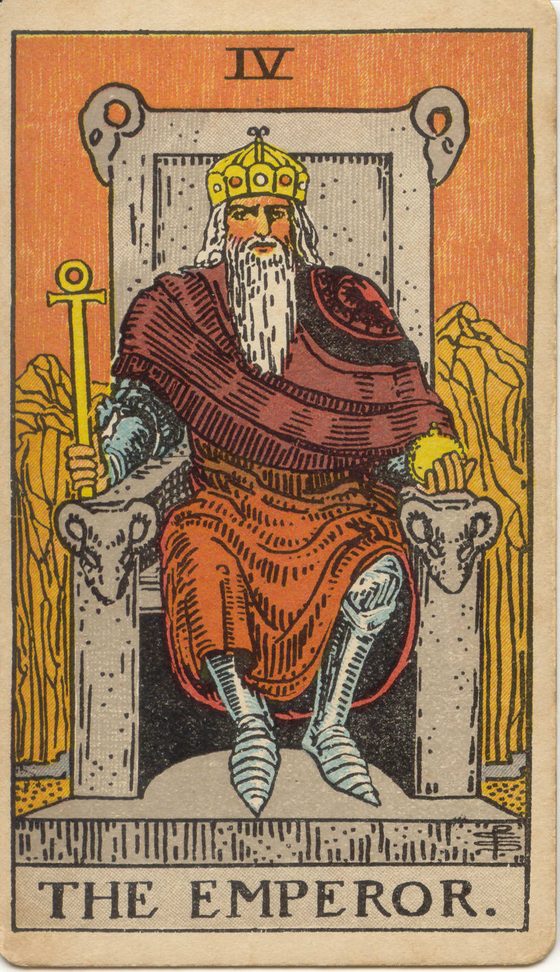
authority · structure · boundaries · discipline · stability
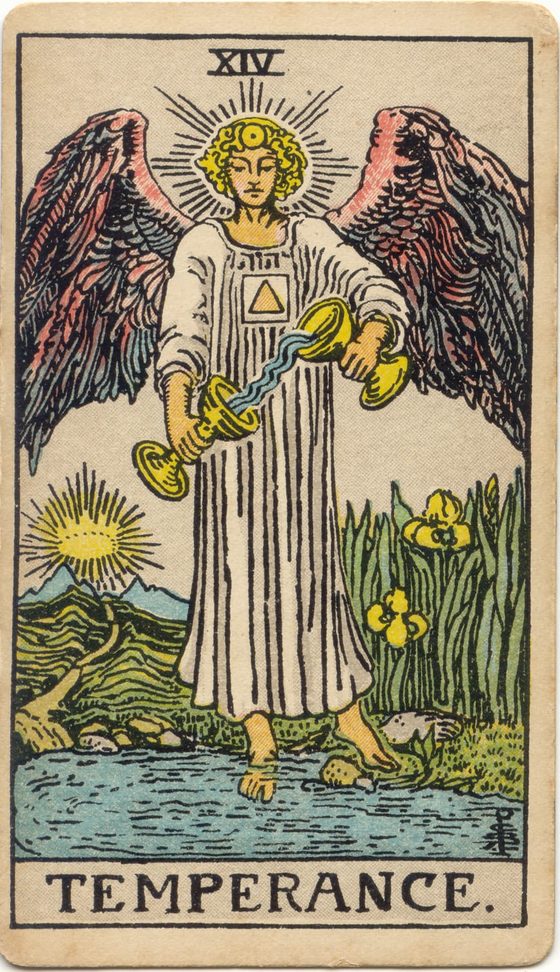
balance · moderation · patience · proportion · blending
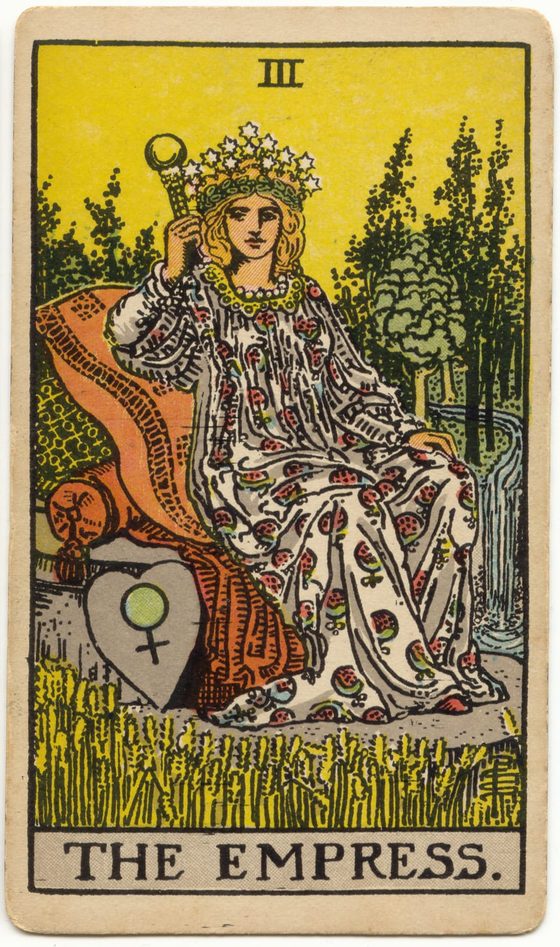
abundance · nurture · fertility · comfort · growth
endings · transition · letting go · finality · change
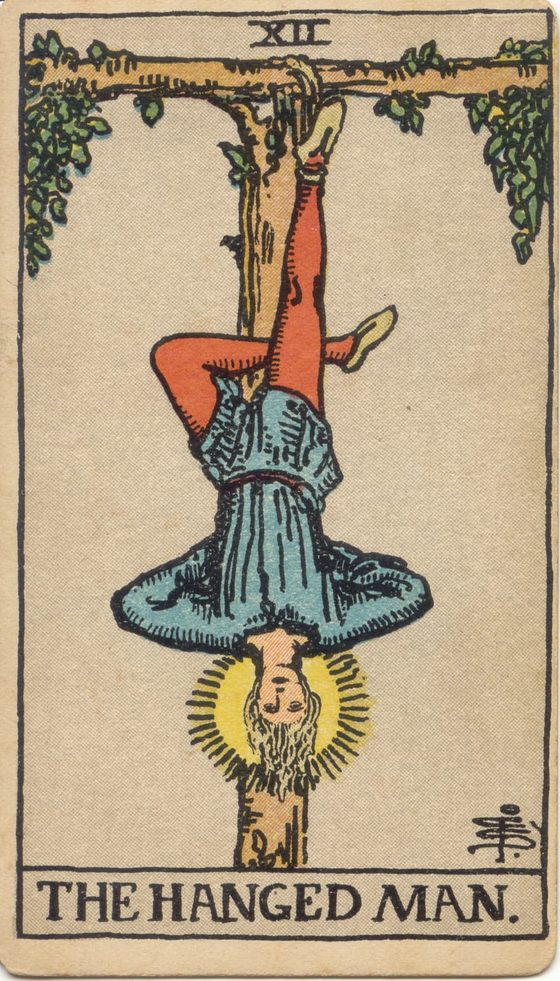
suspension · pause · new perspective · waiting · letting go
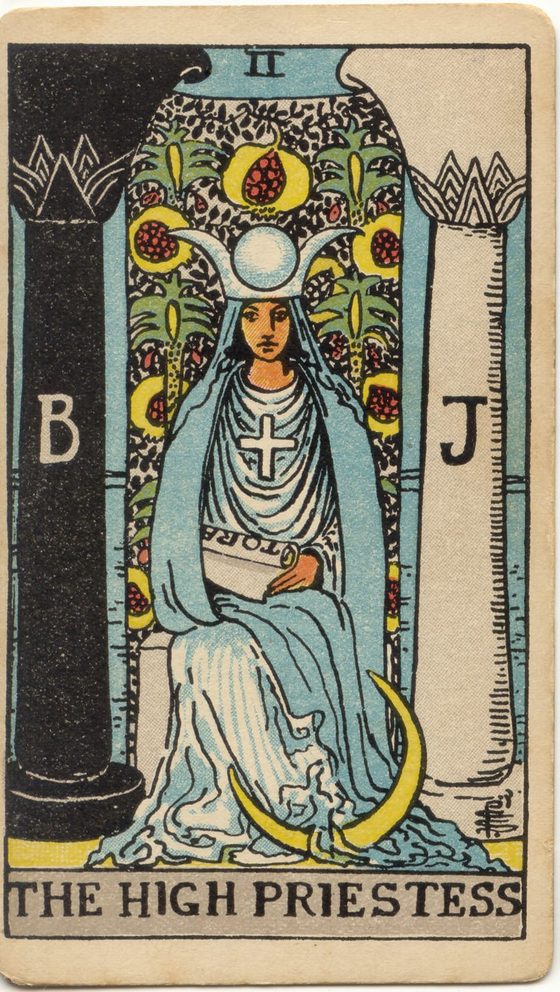
intuition · secrets · stillness · inner knowing · patience
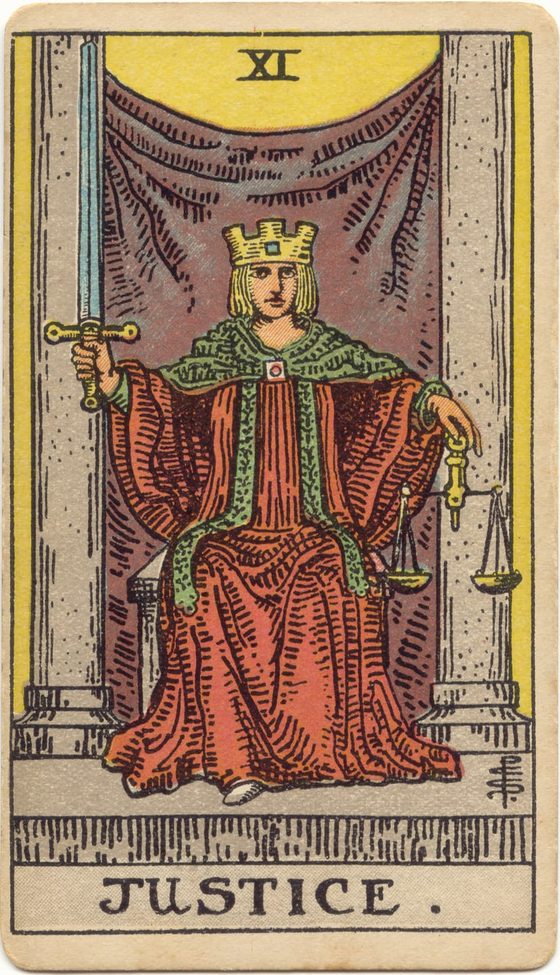
fairness · consequence · accountability · law · balance
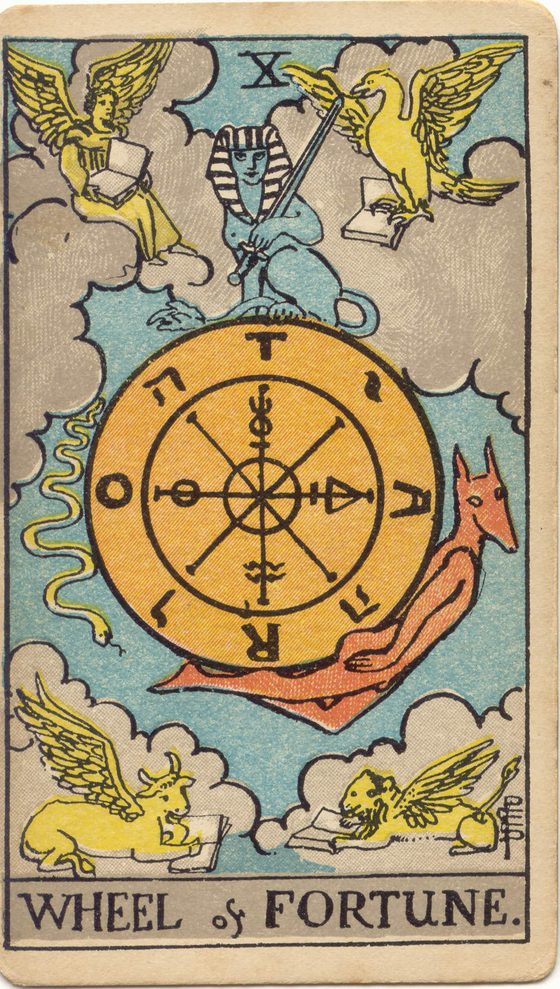
change · cycles · turning point · circumstance · momentum
Drag the row sideways, or use the arrows.
All 78 cardsEach system answers a different shape of question. Start where your question already lives.
Seventy-eight images that describe situations, not outcomes. We use the original 1909 Waite-Smith illustrations, because they are the ones nearly every modern meaning was written against.
The twelve signs, the ten bodies and the twelve houses, each with what the astronomy underneath it actually says.
Signs, planets, housesPythagorean in name only, and honest that two schools reduce your Life Path differently and disagree often.
Numbers and what they claimSymbol by symbol, with the analysts, the folk reading and the sleep research kept apart instead of blended.
Common symbolsSixty-four hexagrams, six lines each, and a casting method that is arithmetic rather than intuition.
The 64 hexagramsEach tool runs the classical procedure of its own system and shows every step, so you can check the working rather than trust the answer.
Six spreads over a shuffled 78-card deck with reversals, drawn in your browser. Every card links to its own page, and the link you copy deals the same spread again.
Ten bodies, twelve houses and the major aspects from a real ephemeris, with what stays uncertain when the birth time is a guess.
Runs both reduction schools at once and tells you when they disagree, instead of quietly picking one for you.
Three coins, six throws, built from the bottom line up. Returns the primary hexagram, the moving lines and the hexagram they change it into.
Look a symbol up, then read the questions worth asking about your own version of it. No single-line verdicts.
Where the Moon is today, by phase and by sign, from the same ephemeris the birth chart uses.
A real shuffle of the twenty-two Major Arcana, with reversals. Nothing is recorded and nothing is sent. Refresh the page and it is gone.
The three positions are the plainest spread there is: where you are, what is in your hands, and what it will take. Draw, and each card links through to its own page.
This tool shuffles and looks up a table. It does not predict. A spread describes a situation you can recognise; it is not a statement about what will happen, and it is no basis for a medical, legal or financial decision.
Longer pieces about how the five systems work, where their claims came from, and what the evidence actually supports. The reference pages state a meaning; these argue about it.
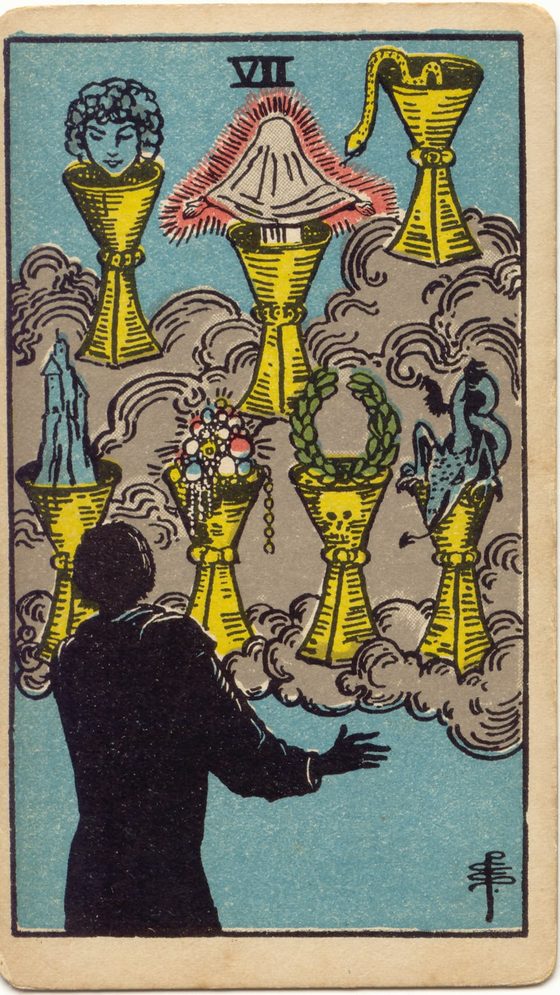
Forer handed one identical personality sketch to a whole class and every student recognised themselves in it. Knowing why that works makes you better at reading, not worse.
No mechanism has ever been demonstrated for any of the five. Here is what is actually being claimed instead.
The two reduction methods give different answers for about one birth date in eight, and no authority settles which is right.
Pamela Colman Smith drew all seventy-eight to a brief, took a flat fee, and died in obscurity.
An apparent effect of relative orbital speed, three or four times a year. Neither mysterious nor nothing.
Orivana treats these five systems as a body of cultural and psychological material worth reading carefully, not as a machine for predicting events.
So we publish the traditional meaning and say who wrote it down. We keep the folk reading and the psychological reading apart instead of blending them into something that sounds authoritative. We show the arithmetic. And every page carries a section on what that page does not tell you, because the useful thing a reading does is help you look at your own situation, and a confident prediction gets in the way of that.
Nothing here replaces medical, legal or financial advice, and nothing here can tell you what another person is thinking.